- osteoporosis
- arthritis
- fibromyalgia
- pseudogout
- other rheumatic conditions
As we've learned more about HPP, as we know more about this condition, we are truly understanding that it is a multisystemic disease and not just a skeletal disease.
— Dr Eric Rush, Clinical Geneticist
Click regions to view information
 Click regions to view information
Use the arrows to cycle through regions to view information
Diagram outlines symptoms seen in infants, children, and adults.
This is not an exhaustive list of HPP signs and symptoms in each region.


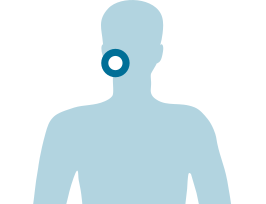

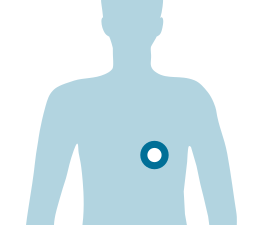
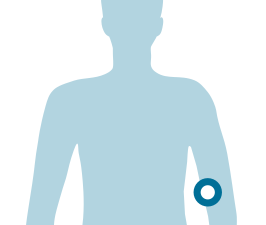
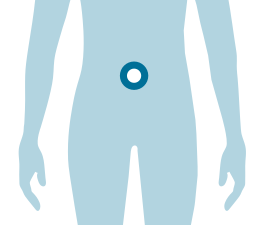
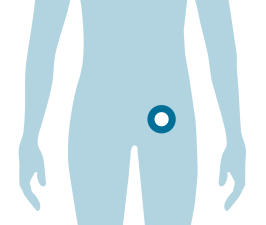
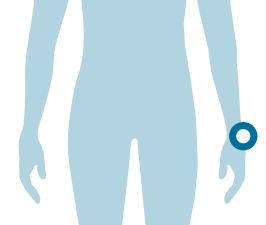
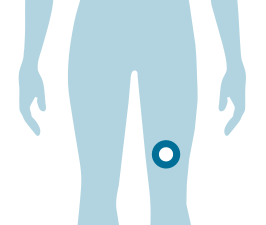

Neurologic18,21-24
- •Brain fog
- •Headache
- •Sleep disturbance
- •Neuropathy
- •Anxiety and depression
- •Hearing loss
- •Balance issues/vertigo
- •Behavioral health
- •ADHD (pediatric patients)
- •Seizures (in infants)

Dental9,10,18,28
- • Premature loss of deciduous and permanent teeth
- • Dental caries
- • Poor or abnormal dentition
- • Periodontal disease

Growth/Development
(in children)10,18
- • Failure to thrive
- • Poor weight
- • Short stature
- • Delayed or missed motor milestones
- • Premature loss of teeth with roots intact
- • Rickets

Respiratory (in infants)10,18,29,30
- • Respiratory failure
- • Pneumonia
- • Improper development of ribs and chest deformities

Muscular10,18-20
- •Pain
- •Weakness
- •Hypotonia
- •Reduced grip force
- •History of abnormal gait
- •Reduced mobility
- •Tendon calcification

Gastrointestinal14
- • Nausea, vomiting, and feeding difficulties (in infants)
- • Gastrointestinal dysfunction (in adults)

Renal18,20,23,32
- •Hypercalcemia
- •Hyperphosphatemia
- •Nephrolithiasis
- •Nephrocalcinosis

Rheumatic10,18,20,31
- •Calcific periarthritis
- •Chondrocalcinosis
- •Pain
- •Pseudogout
- •Osteoarthropathy

Skeletal/
Craniosynostosis9,10,18,20,23,25-27
- •Fractures
- •Delay in fracture healing
- •Pseudofractures
- •Rickets (in children)
- •Osteomalacia
- •Hypomineralization
- •Bone/joint pain
- •Bone deformities
Diagram outlines symptoms seen in infants, children, and adults.
This is not an exhaustive list of HPP signs and symptoms in each region.
*HPP is a rare disease; the true prevalence is unknown.33


†Based on the Global HPP Registry, an observational, prospective, multinational study of 269 patients with a confirmed diagnosis of HPP (children, n=121; adults, n=148).20
Some of the things that I was experiencing—like the muscle pain all these years, all the joint issues, the fine little breaks in the ankle and things like this that were happening to me throughout all these years—these were all parts of HPP.
— CAROL, LIVING WITH HPP
ANDREW
Male, severe chronic pain and muscle weakness, fatigue, abnormal gait, and headaches
PATRICIA

Female, history of multiple fractures and broken bones
DANIEL

Male, chronic pain and muscle weakness, and difficulty sleeping
ANNA

Female, rickets (soft, curved bones) and prone to bone deformities
EMMA

Female, life-threatening HPP
See how HPP may impact patients’ quality of life and daily activities, including their ability to work and learn
a

See important diagnostic criteria
a